
Valley of Death
Logbook Field Notes: Las Vegas
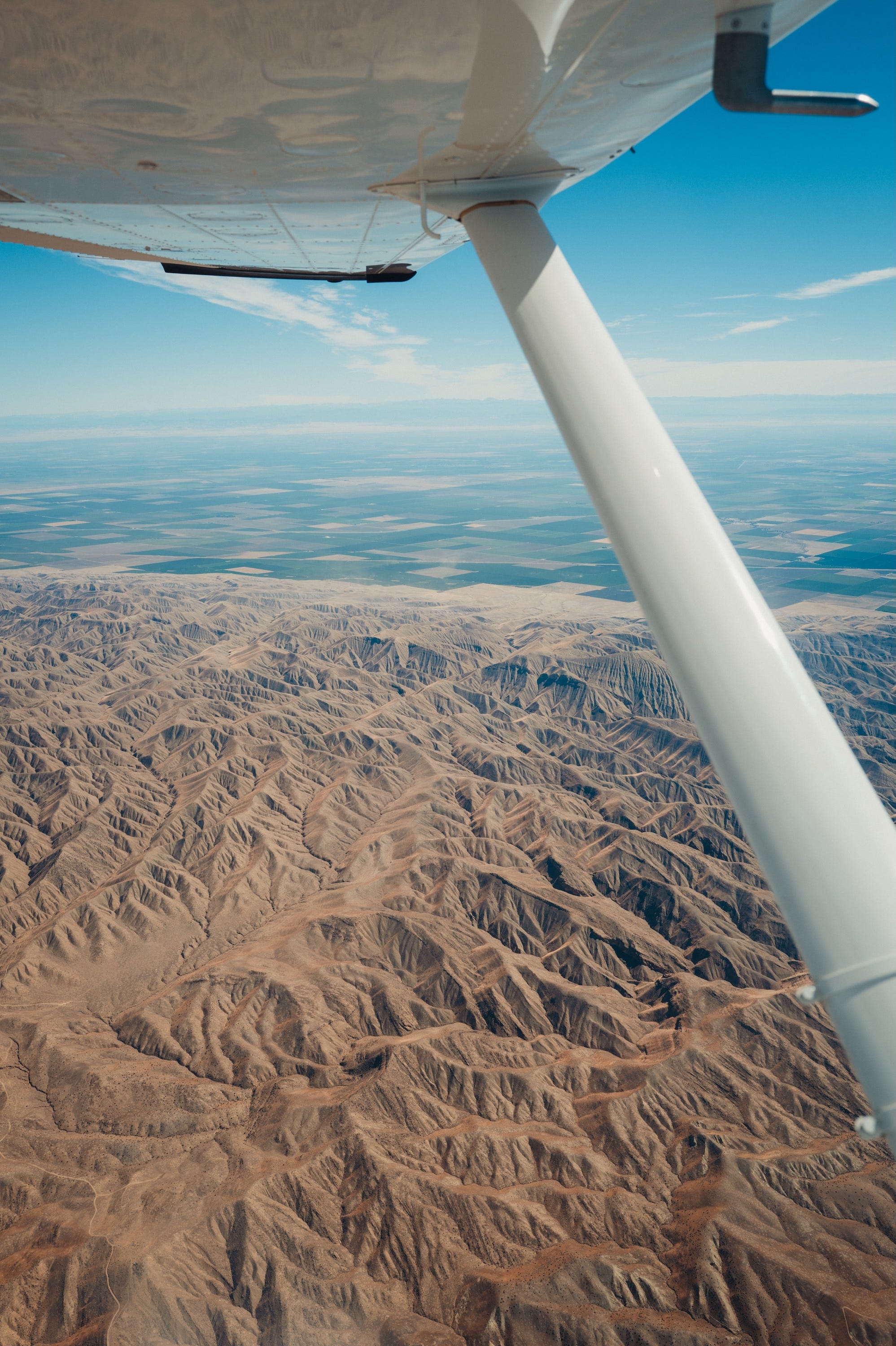
Early morning at Henderson Airport and already the Nevada sun is relentless. I step inside to cool air and the smell of warming coffee; at once I am granted the usual fellowship of the airport restaurant. One of the regulars beckons and asks which plane is mine. He flew Phantoms and Starfighters and spent many years abroad, training NATO allies to fly US fighters. It was a lovely time, except when the Turks and Greeks were bickering and he was caught in the middle. I tell him my wife is Greek and he shares happy memories of the Aegean. He has lived just on the other side of the runway for forty years, and been flying planes for sixty. Every morning he comes here with an old friend and has breakfast watching takeoffs and landings.
But as the minutes advance the air is thinning, making it harder for the Cessna to claw over the granite that guards the departure end. I have to get going.
Las Vegas sits in a desert basin ringed by ranges. Westerly winds spill off the Spring Mountains and break into turbulent chop above the parched earth. Henderson is ten miles south of the Strip and under layers of Class B airspace usually reserved for Harry Reid International Airport. Inadvertent intrusions are common.
So the pilot in command must choose: an instrument flight plan gives controllers responsibility for routing and airspace. But you give up the freedom of flying under the restricted shelf, slipping out along I-15 and lower terrain. Instead the instrument departure to the south demands a straight climb out and over the McCullough range; hard work for a naturally aspirated airplane on the kind of stifling summer day that enfeebles the engine and robs the wings of lift. But I would rather not worry about conflicts with airliners. I have run the numbers and we should have the performance to clear the basalt ridges.
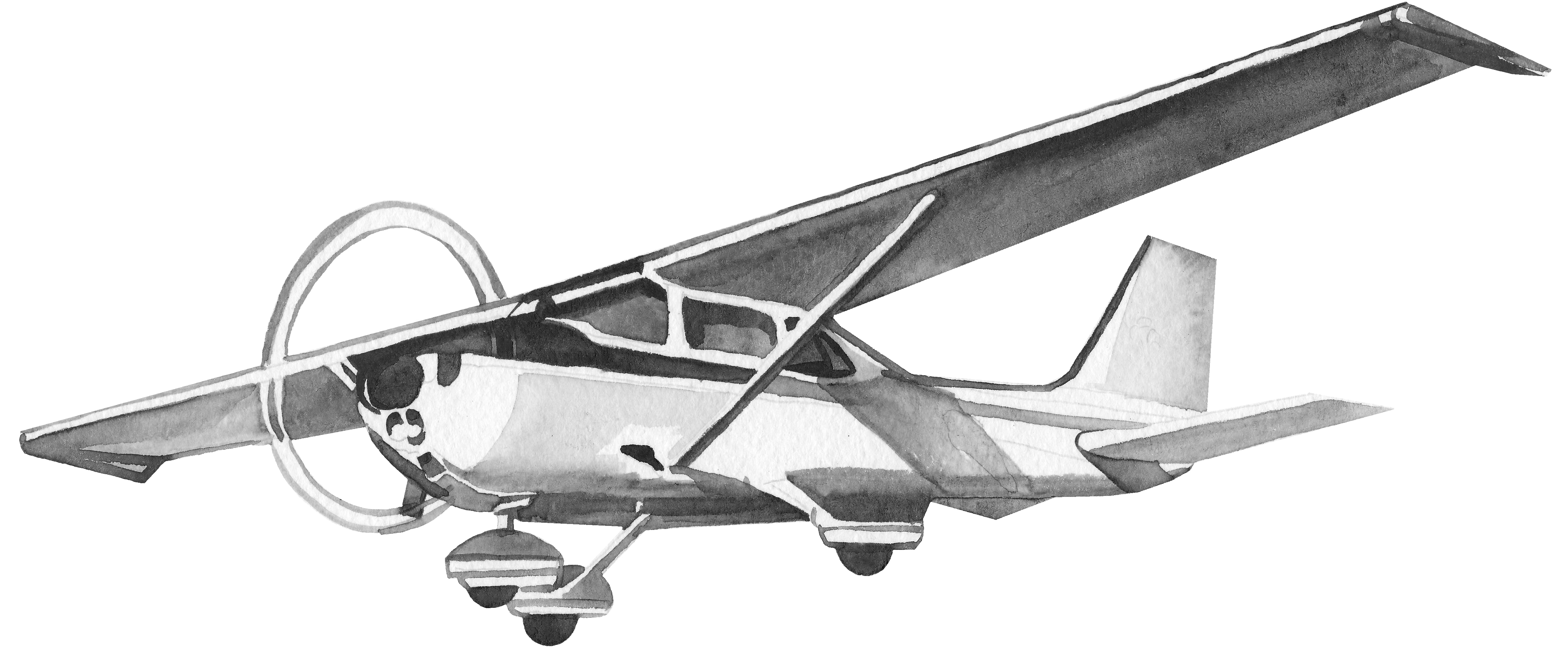
This 182T and I are closely acquainted. In the baking cabin I run through the ritual of engine start. Beacon light on, throttle one quarter inch in, fuel pump on, prime, fuel pump off. Turn the key and ease the mixture smoothly in as the starter engages and the six-cylinder Lycoming snarls to life. I call up Ground, ask to pick up my IFR clearance to Palo Alto, and dutifully read back the fixes and altitudes.
November Nine Four Five Golf, readback correct. Can you maintain your own terrain and obstacle clearance on departure?
He is asking if I promise not to fly into the mountain. My solicitous calculations in a cool hotel room yesterday seem to wither under the oppressive shimmer of haze and heat draped over the field. I tell him I can. Cleared to taxi.
Lining up on 17R I see the mountains ahead. Throttle to the firewall and the engine answers with an impatient roar. Rotate at 59 knots and it is time for the truth. On a cooler day I might climb at 95 and still comfortably gain 500 feet of altitude every minute. Today I hold a shade under 80 to maximize climb rate and feel we must be pointed straight up. The going is slow. I glance over at the display showing terrain ahead. Red, yellow, and green; showing 100 to 2,000 feet of separation from the hard Earth. The sprawling splotch of red that really matters is the ridge off the nose. We must turn it green before running out of sky.
The airplane is trying to do what I have asked, fighting the currents swirling off the mountains and the sun glaring above. I hope my calculations do not let us down. The yoke telegraphs each staccato jolt of turbulence to my hands. Cowl flaps full open for airflow yet the cylinder head temperatures inch past 400°F. I must refuse the urge to reduce power or lower the nose to help cool the engine. For another endless minute the altimeter ticks slowly up. Now the abstract swirl on the display begins to shift; the red is falling away and the yellow turning to green. I shift back in my seat and realize I have been holding my breath. But I have kept my end of the bargain and the airplane has kept hers; we are up and over and on our way.
Along the state line Nevada gives way to California and on the lee side of Clark Mountain the earth is aflame. Concentrated balls of light that belong in a Tolkien world blaze on the alluvial soil. Solar Farm - Ocular Glare, warns my sectional chart. The Ivanpah Solar Electric Generating System was once the world’s largest solar thermal power station. 173,000 computer-controlled mirrors concentrate the blinding energy of the sun on to three slender towers that generate enough energy for many thousands of homes. A few minutes later the awesome spectacle of light recedes and the desert asserts itself once again.
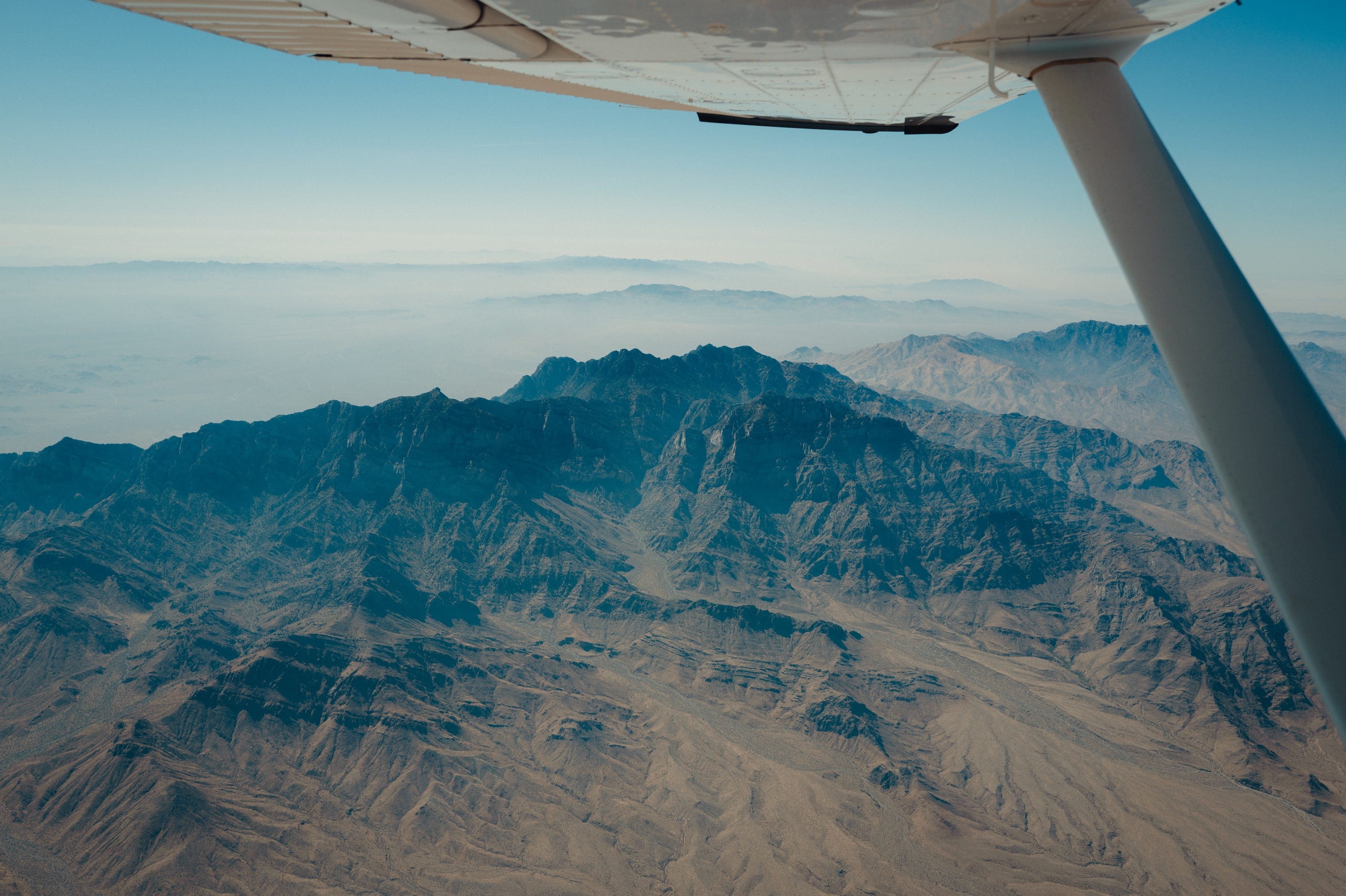
The Providence Mountains split the haze under the left wing, dun and iron and razor sharp. Somewhere to the northwest is Death Valley. The world below empties out. The roads, previously dotted with cars a source of some distant companionship for the cross-country pilot, are now interminably empty — if they exist at all. The river beds are dry and the land prehistoric; vestiges of some once verdant valley. The murky air constricts the land. I cannot imagine what creatures call this expanse of brown and gray home. My mind pictures a sort of primeval lizard lolling on the rocks, waiting for the end of all ends. I notice a freight train stretching out below. Perhaps it is not just the lizard after all.
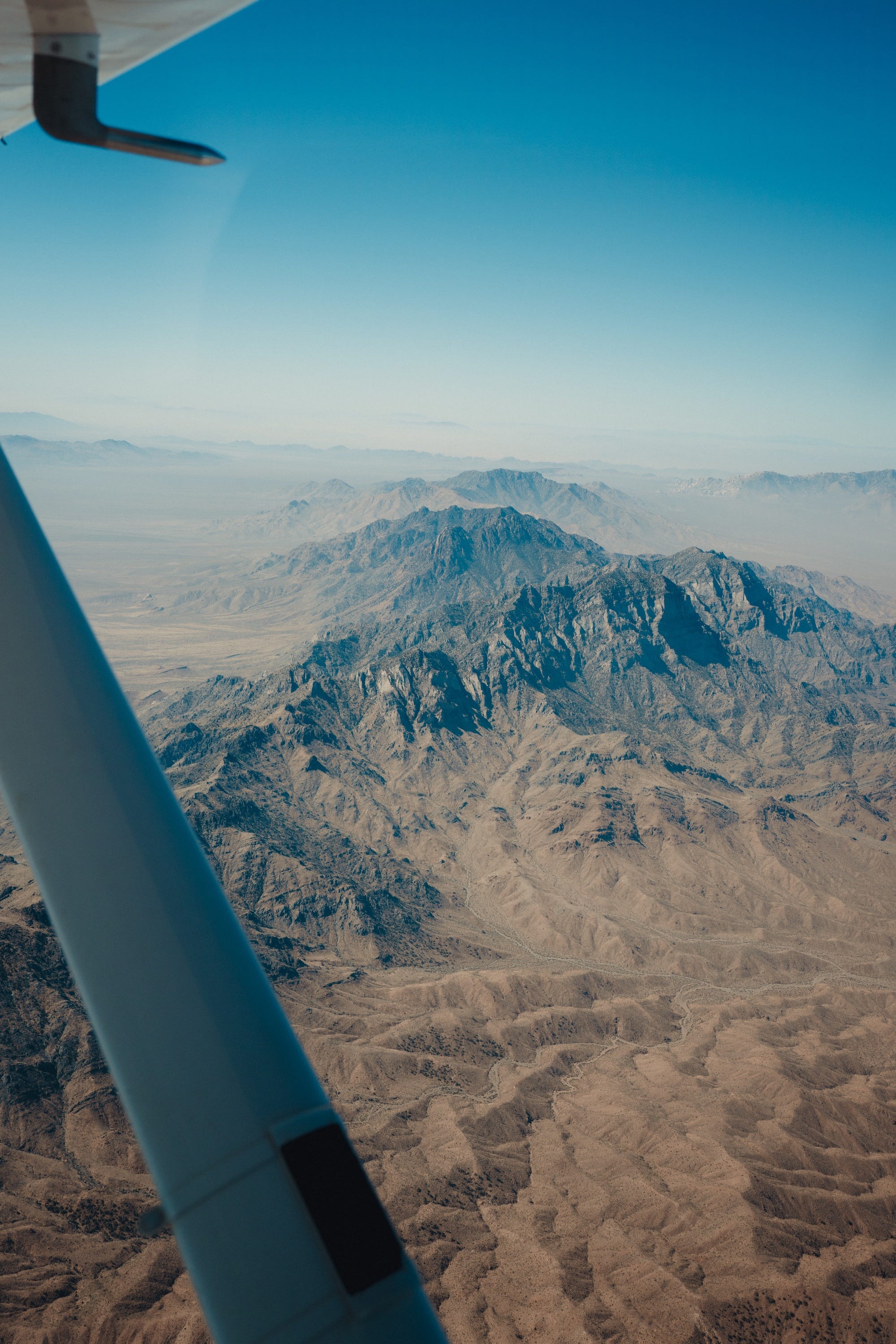
Now that old intrusive thought of the airman; where to go if the engine quits? The options are not very compelling. At 10,000 feet I can fly for about 17 miles with no power. Most times that would put me in range of an airport, a nice open field, or even a straight road without much traffic. Out here, so near the valley named for death itself, there is often not a single man-made structure within gliding range. I imagine setting the stricken plane down on some rocky outcrop; the challenge would not be the landing but what comes after. The survival kit in my backpack will have to live up to its name.
The Skylane keeps on going, and so do I. As we emerge from the Mojave Wilderness together the lazy winds of Interstate 15 and 40 meet near Daggett. I have driven this route before, Las Vegas to San Francisco, and I feel a sense of kinship with the cars threading their way along the highway even as I revel in making three times the speed and flying as the crow does.
Airports are romantic places and ought to have evocative names. Catalina, Airport in the Sky. Shelter Cove. Little River. Then there is Southern California Logistics Airport. The former air force base materializes off the cowling, now home to an arresting sight: hundreds of grounded airliners, a congregation awaiting judgment in the desert sun. Some will return to service. Some will be stripped for parts. One Boeing 747 that spent decades hauling freight across the Pacific met a more dramatic end when Christopher Nolan crashed her into a hangar here for Tenet. The boneyard falls behind. We still have miles to go.
N945G, traffic, 11 o’clock, five miles, UAV.
Every flight has something new. I have never been asked to look for unmanned traffic before. A few miles to the west I can see El Mirage Field, a facility used by General Atomics for the development of UAVs such as the Predator drone. I squint into the thick air and try to find it. Likely it is painted a stealthy wartime grey and the camouflage means I am having trouble doing so.
I chuckle as the controller tells the drone operator my location but does not ask if he, ensconced in a facility on the ground, has me in sight. Man and machine share a sky that will one day belong to the machine. No doubt the drone and its myriad sensors know exactly where I am. Belatedly I make it out, a slender dragonfly searing past the left wing.
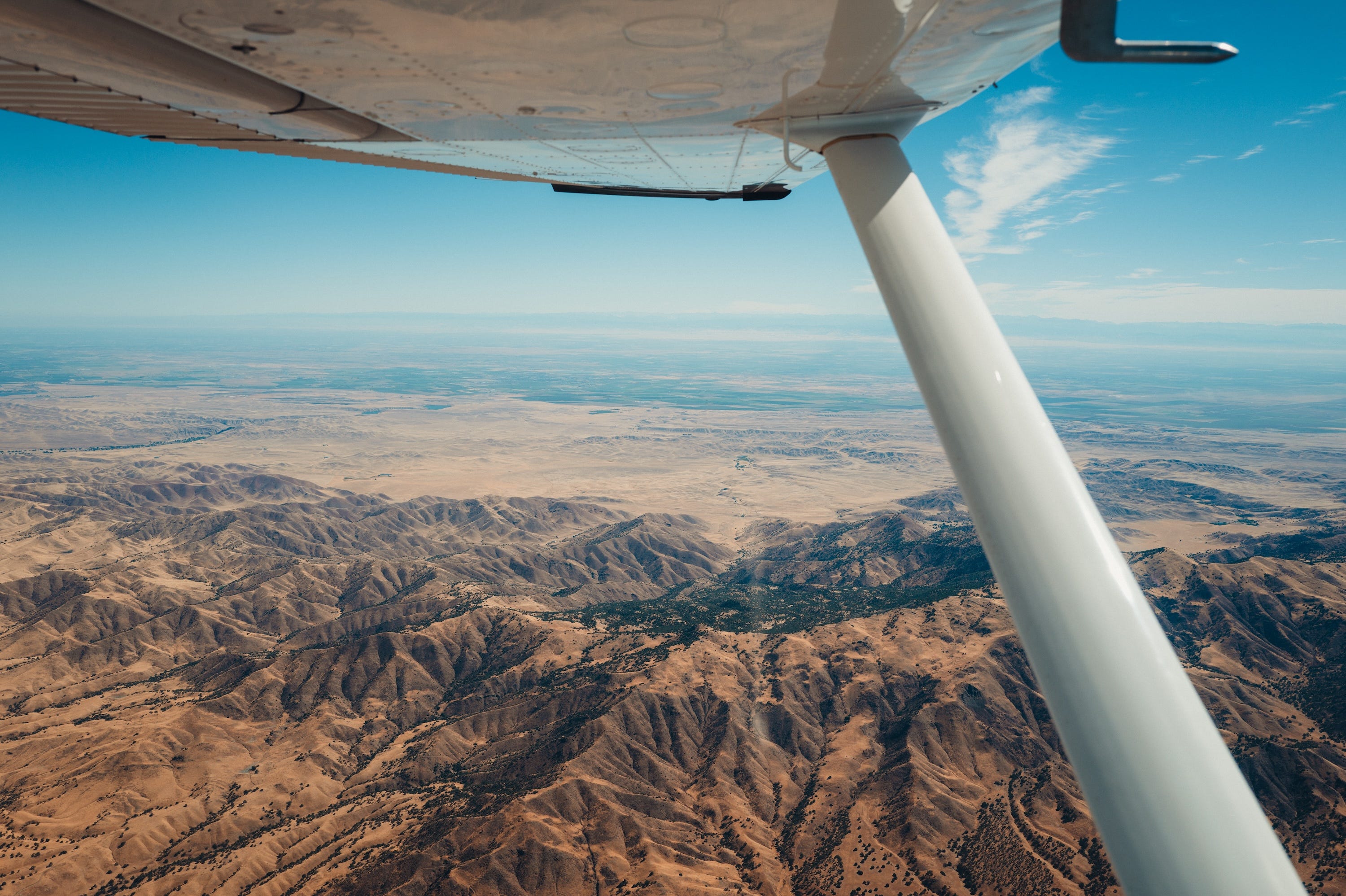
Banking to the north near Bakersfield, the Earth parts the curtains for a new act. The mountains wear trees and not just scars. At first these patches are occasional. Soon the green proliferates. There are miles and miles of fields, squares and rectangles of irrigated fertility, fruitful orchards replacing the tan canvas. The air coursing in through the vents feels somehow softer, cooler. California’s Central Valley is an abundant generosity after the valley of death; the breadbasket, valley of life.
Past the vineyards of Paso Robles with the Santa Lucia range abreast. Habitually scan the gauges: oil pressure, oil temperature, CHTs; all is as it should be. Check the fuel remaining against my calculations. Ask Oakland Center for a descent to 6,000 feet, hoping for a more favorable tailwind. Monterey and Salinas, East of Eden, the growing comfort of scenery familiar from the aerial view. There is familiarity of other sorts, too. I recognize the voice of the controller who is working this shift today. He has a trademark sign-off: pilots leaving his frequency are told with great enthusiasm to have a fan-TASTIC! day. It is amusing to hear the responses. Some bewildered pilots mumble goodbye. Some see the fun for what it is and try one-upmanship.
The usual blanket of low clouds stretches itself over the cool Pacific coast and out to the horizon. The Cessna is perfectly in trim and flying now with great vigor in the balmy ocean air. Crossing over the Santa Cruz Mountains I can begin to make out my destination and see the skyscrapers of San Francisco poking their heads out of the marine layer as if to say hello again. I have worn this exact groove through the skies many times and the barren desert is in the past.
Landing. As we descend the world seems to expand around us and bubble in to focus and detail. Lights shine tremulous in the houses and on the highways. A familiar runway invites us home; planes parked on the ramp beckon their companion. The reward of a journey well made. The flaps groan down and we are cleared to land, number one, and the wheels meet asphalt with an amiable chirp after nearly four hours aloft. Rolling down the runway I crack the window to feel the fresh breeze and the wings relax their lift as if setting down a heavy burden. I taxi slowly in to park and shut down.
The quiet is cathedral-like. We have come far from the sweltering heat and walls of rock, 945G and I. The gyros spin down and there is the fading tick of cooling metal. I think of the ridge and of willing us to climb over it. Now it is time to rest.
The air up there in the clouds is very pure and fine, bracing and delicious. And why shouldn’t it be? – it is the same the angels breathe.